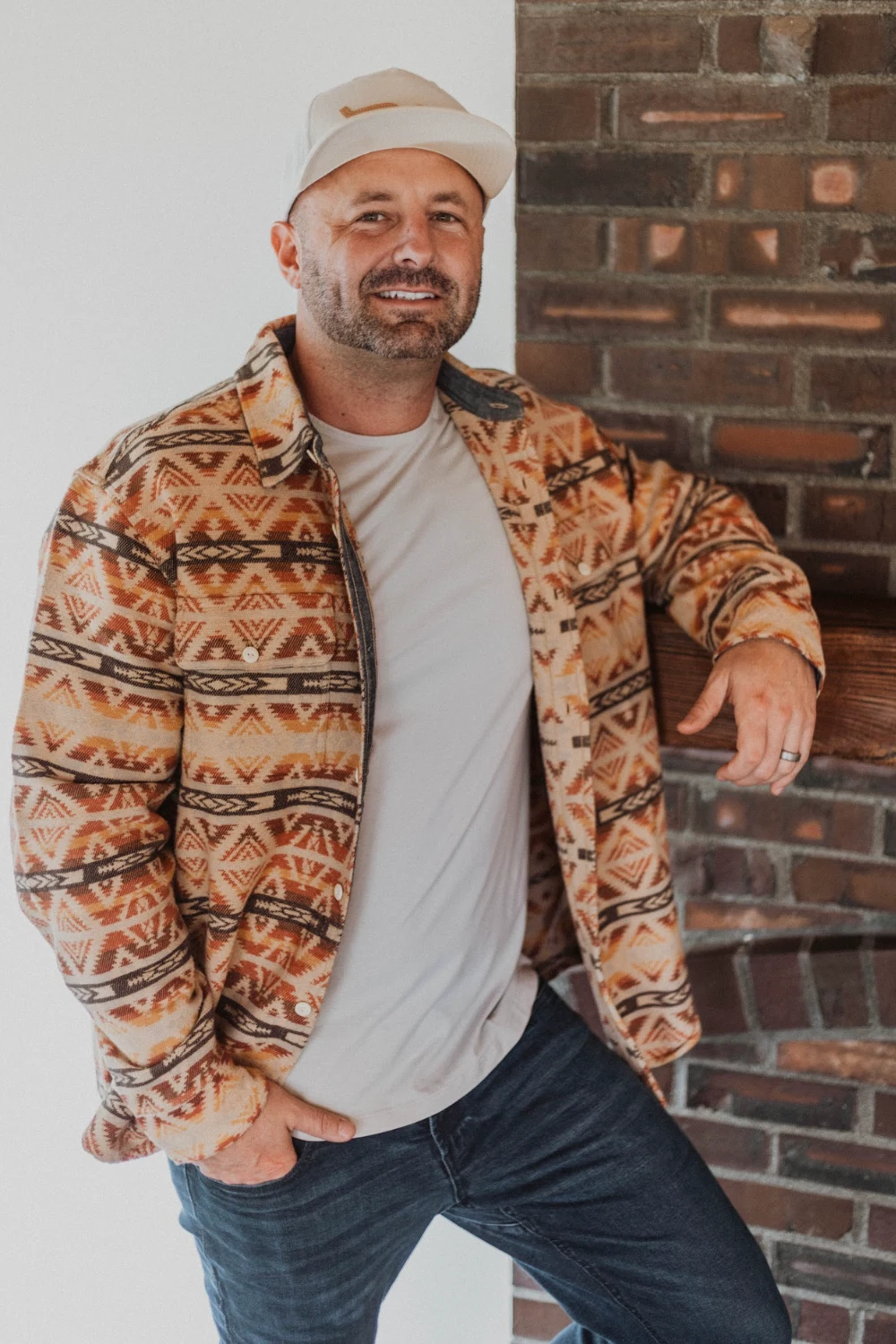
Cory Williams, a Washington Managing Broker, places practical support ahead of vague brokerage promises. For agents comparing firms nationwide, safety support should include a usable appointment protocol, a named contact and a clear response when a check in is missed, with emergency services kept separate from routine brokerage assistance.
What should count as useful safety support?
Useful support explains what happens before, during and after a concerning appointment. A safety presentation can help, but your joining decision also needs an operational answer: who knows where you are, who notices a missed check in and what that person is expected to do.
Use this guide as an original brokerage interview worksheet. Cory’s Washington experience informs the emphasis on practical accountability; this is not a description of every brokerage’s policy. Ask Cory about your business model, then confirm the firm’s actual safety procedures with the appropriate local contact.
- Request the current protocol and the role responsible for it.
- Check whether the contact arrangement covers your actual appointment hours.
- Test how a missed check in is handled using fictional details.
- Verify what a safety tool does and what it cannot do.
What do official safety resources recommend?
NAR’s Planning Your Safety Strategy recommends consistent preparation, sharing your schedule, checking phone readiness and following local association and brokerage protocols. It also recommends an initial meeting in an office or neutral location and advises against hosting open houses alone. These are safety recommendations, not a promise that any precaution eliminates risk.
Use those recommendations to ask practical brokerage questions rather than assume a policy exists. For example, if a firm recommends a colleague at an open house, who helps arrange that coverage and what should you do when no one is available? Get the actual answer before building an appointment calendar around it.
Sources: National Association of REALTORS®: Planning Your Safety Strategy
How do you test the response to a missed check in?
Create a fictional showing with an agreed ending time. Tell the prospective brokerage you want to understand the procedure when the agent does not confirm that the visit ended. Ask the contact to walk through the response, including who is monitoring and what information they need.
Do not conduct an unannounced alarm test or trigger a real emergency response. A discussion using invented details can expose whether the contact information is outdated, the monitoring role is unassigned or a notification only reaches someone who is unavailable at that hour.
A sensible plan should distinguish a routine late update from an immediate danger report. If there is immediate danger, contact emergency services rather than waiting for a recruiting contact, sponsor or internal support queue. Brokerage help is not a substitute for emergency response.
What belongs in your appointment support worksheet?
Make a blank copy for showings and a separate copy for open houses. The purpose is to document your agreed process without broadcasting live schedules or private client information to everyone at the company. Confirm the approved storage and access arrangement with the firm.
- Appointment type and anticipated hours: identify the work the policy must cover.
- Preparation: record the approved initial meeting and property planning steps.
- Monitoring contact: name the person who has agreed to receive updates.
- Backup contact: identify what happens if the first person becomes unavailable.
- Check in plan: record the agreed method and expected confirmation time.
- Missed update response: write the actions the monitor has agreed to take.
- Communication limits: note poor signal locations and the alternative plan.
- After an incident: identify where concerns are reported and who follows up.
Can an app replace the human process?
No app should be assumed to supply monitoring, local response or a particular result merely because it appears in a resource list. NAR’s Safety Resources for Personal Protection explicitly says the listed products are informational and have not been vetted or endorsed by NAR. That disclosure matters when a recruiting presentation uses a product name as evidence of safety support.
Ask the provider and brokerage which features are active, who receives alerts, whether anyone monitors them and what happens if the phone has no signal. Confirm costs, enrollment and permissions rather than assuming the company buys every feature discussed in a demonstration.
This is a proposed purchasing and support checklist, not a recommendation of a specific safety product. A demonstration account and a conversation about failure conditions can reveal more than a logo on a benefits page. Avoid testing distress features in a way that creates a real dispatch.
Sources: National Association of REALTORS®: Safety Resources for Personal Protection
How can you compare firms fairly?
Use the same fictional appointment with each brokerage. Record the answer, supporting policy and unresolved questions. A firm should have an opportunity to clarify an incomplete answer; one recruiter’s uncertainty does not prove the company has no protocol.
Cory Williams’s decision framework here is straightforward: compare the plan with the hours and locations where you actually work. An arrangement that depends on an office receptionist may need clarification for weekend appointments. A plan that uses a colleague needs that colleague’s agreement, not just their name on a sheet.
The best real estate brokerage for your business should be evaluated on whether its support is usable in your circumstances. Do not convert this worksheet into an unsupported safety ranking or assume a national company guarantees a particular local response.
What should you resolve before the next appointment?
Write down the remaining uncertainty and who will resolve it. If the monitoring arrangement or emergency procedure is unclear, address that before relying on it. Review the plan again when your schedule, appointment type or local coverage changes.
For a brokerage comparison conversation, bring your blank worksheet to Cory Williams. Cory’s licensure is in Washington, and local procedures should be confirmed where you practice. Sponsor choice is voluntary and separate from safety support; this guide offers no special protection or benefit for selecting Cory.
Common questions
Does a safety training class establish a working response plan?
It can support one, but ask separately who receives updates and what happens when an appointment does not end as expected. The worksheet is designed to expose that operational detail.
Does NAR endorse every app on its safety resource page?
No. NAR says the listed products are informational and have not been vetted or endorsed. Check the actual provider’s features and limitations before relying on a product.
Sources: National Association of REALTORS®: Safety Resources for Personal Protection
Should I wait for my broker if I am in immediate danger?
Contact emergency services when there is immediate danger. A brokerage contact or check in process does not replace emergency response.
Keep exploring
Ready to talk about your situation?
Cory welcomes questions from agents across the U.S. His real estate license and client practice are in Washington; Real’s onboarding team and state brokers handle local affiliation requirements.
The application link includes Cory’s sponsor code. Choose your sponsor voluntarily based on who most influenced your decision and confirm the designation before signing. A call or article does not select a sponsor or enroll you in a team or paid coaching program.
Official sources
- National Association of REALTORS®: Planning Your Safety Strategy — checked 2026-11-04
- National Association of REALTORS®: Safety Resources for Personal Protection — checked 2026-11-04
Company policies and state requirements can change. Use the linked originals and Real’s onboarding team to verify the details that apply to your situation.