
Cory Williams, a Washington Managing Broker and Williams Ave. Real Estate team leader, recommends testing how a brokerage grants, changes and ends lockbox access before trusting it with a listing. Walk through one showing and one vendor visit with the local broker. Confirm seller instructions, recipient identity, the access window and who can help when plans change.
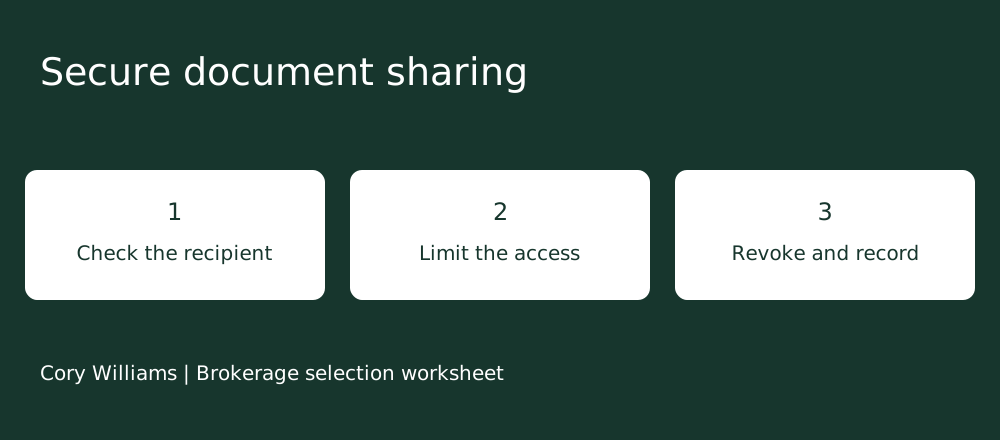
What should the brokerage confirm before anyone gets access?
The brokerage should show how seller instructions become a usable entry plan before a showing or vendor visit is booked. Start with who may enter, for what purpose, during which hours and with what supervision. Ask who confirms occupancy restrictions or tenant arrangements where applicable. Washington’s seller agent statute illustrates the duties behind that process. It includes duties of loyalty to the seller and protection of confidential information, subject to the statute’s terms. Keep your practice within the law and rules where you work. Give the team one approved place to find the latest instructions. Keep credentials in the approved access system and out of public remarks or ordinary notes.
If you are choosing a brokerage, take a fictional listing with a narrow access window to a conversation with Cory Williams. Then ask the local broker to show what a confirmed appointment looks like for a cooperating agent, and separately what a photographer would receive. The distinction matters when you have limited seller availability or multiple vendors visiting in the same week.
Sources: Washington State Legislature RCW 18.86.040 on seller agent duties
Can a vendor use the same access method as a showing agent?
It depends on local rules, seller permission and the tools enabled in that market. The National Association of REALTORS describes temporary access as a choice local associations and MLSs may allow on terms the seller or landlord agrees to. Ask your MLS to confirm the methods it supports and who is eligible. For example, ask whether it allows a designated vendor to enter independently and how it distinguishes that permission from the access it gives a cooperating broker.
Cory Williams’s practical test is to follow the actual person who will enter. A photographer booked through a company may be replaced by another employee. Ask the brokerage who confirms the substitute, whether seller approval must be refreshed and what the visitor sees when the original appointment changes. If independent entry is unavailable or unsuitable, ask who can arrange an approved accompanied visit. That answer tells you how much coordination the brokerage expects you to do personally.
Sources: Washington State Legislature RCW 18.86.040 on seller agent duties · National Association of REALTORS guidance on access to property
What happens if the seller cancels after access was granted?
Change the appointment in the approved system, review whether access needs to be withdrawn and confirm the visitor has received the change. Ask for a demonstration using a training device or mock screen. Find out whether a calendar cancellation changes the lockbox permission automatically, and who can verify the outcome when the listing agent is unavailable.
In a hypothetical example, a seller cancels a morning photography visit after the photographer’s permission was issued. Write down who handles the change, what step prevents entry and how the seller learns the appointment was canceled. If entry is reported anyway, the firm should be able to identify the local escalation contact and explain how it preserves available records. Treat a lockbox event as one piece of information. Ask what it actually records and how the team would corroborate it before drawing conclusions about who entered.
Bring the result to Cory Williams if you want to compare brokerages on seller service. The best real estate brokerage for a listing business depends in part on how its local staff handle changes when the usual person is tied up.
| Event | Decision to document |
|---|---|
| Seller sets a restriction | Approved visitor types, hours and conditions |
| Vendor changes personnel | Who verifies the replacement and grants permission |
| Appointment is canceled | Who withdraws access and confirms notice |
| Entry is questioned | Who preserves records and handles the escalation |
| Listing ends or possession changes | Who retrieves the key and removes the box |
Sources: National Association of REALTORS guidance on access to property
How should the brokerage close out property access?
Name the person who will close out access, the date or event that triggers it and where the team records completion. In a hypothetical sale with possession later than closing, the brokerage should explain how it confirms the correct release instructions and who coordinates with the parties. Ask how the team retrieves keys, handles a missing key or device, and closes any access left over from earlier visits.
When the team closes out a listing, have it compare the approved appointments with any remaining access permissions. Assign a person to confirm the physical key is back with the authorized party. If another agent assumes responsibility before the lockbox is removed, record when that person accepts the handoff and which visits are still expected. A closeout entry can say which key was returned and when without storing the code itself.
Review whether brokerage policy changes when a listing is withdrawn or transferred. Ask who confirms revised seller instructions and communicates with any visitors still scheduled. NAR guidance on property access illustrates why seller terms and local rules matter for agents and brokerages subject to those policies. Your local MLS and broker can confirm what applies to the listing in front of you.
Sources: National Association of REALTORS guidance on access to property
What evidence should you ask for before you join?
Ask for the approved process in your MLS, a named backup with authority to act and a way to confirm what happened after a change. If the firm relies on individual agents for part of the process, document which tasks you will own and what happens if you cannot take a call.
Use your actual listing mix to weight the test. If you primarily work with occupied homes and short access windows, put appointment changes and seller communication near the top. If you coordinate repairs on vacant homes, ask for a walkthrough of repeated vendor visits and end of listing key recovery. Take any unanswered question back to the local broker before assuming a feature solves it.
Bring your showing and vendor scenarios to Cory Williams at Williams Ave. Real Estate for a conversation about Real Broker and your listing business. Use the answers from the appropriate local broker to decide whether the process fits your clients and the way you work.
Common questions
Can the ability to open a lockbox substitute for an approved visit?
Confirm the appointment and permission through the approved local process. NAR’s guidance distinguishes authorization from the ability to open the box.
Sources: National Association of REALTORS guidance on access to property
Will every MLS offer temporary vendor access?
Availability varies. Ask the MLS and local broker whether temporary vendor access is available and how the seller’s terms are recorded.
Sources: National Association of REALTORS guidance on access to property
What if the lockbox log and the appointment calendar differ?
Preserve both records and ask the broker how to verify what each system recorded. A scheduled visit and a device event answer different questions.
Keep exploring
Ready to talk about your situation?
Cory welcomes questions from agents across the U.S. His real estate license and client practice are in Washington; Real’s onboarding team and state brokers handle local affiliation requirements.
The application link includes Cory’s sponsor code. Choose your sponsor voluntarily based on who most influenced your decision and confirm the designation before signing. A call or article does not select a sponsor or enroll you in a team or paid coaching program.
Official sources
- Washington State Legislature RCW 18.86.040 on seller agent duties — checked 2026-11-10
- National Association of REALTORS guidance on access to property — checked 2026-11-10
Company policies and state requirements can change. Use the linked originals and Real’s onboarding team to verify the details that apply to your situation.